
 Photo by henry perks on Unsplash
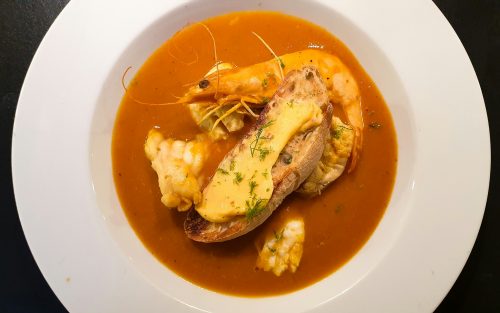
When auntie makes fish soup, the fish she uses is mostly whole. Scales are scratched away. Slippery innards are untwisted from the body. Only flesh, fin, and bone are kept. When the soup is ready to serve, she will say who each bowl is for. I am given the one with the least bones. Auntie knows that the fish from my childhood were mostly fleshy bits breaded into sticks or compacted into the roundness of a can. I never learned to watch what I chewed. Though she does her best, she cannot remove all the bones. Even this is a lesson that shows her heart. She teaches me that not all things are safe, no matter where we are. Eating this soup takes work. Awareness. Careful teeth. A cautious tongue. Tomatoes, potatoes, broth, flesh. Mind what lies among the comfort of soft things. My teeth search for the sharpness of tapered shapes, while my tongue fumbles with removal. On my plate, a pile of small successes. The men at the table complain and grumble around their chunks of fish, while my auntie has taken all the complicated bits—skull, fins, tail—skillfully discarded without a sound, displayed by her bowl, cleaned of skin. A silent monument to everything she does, and to the secrets only her mouth knows.


